

Understanding Who Unfollowed You on Instagram
One of the most intriguing yet frustrating aspects of social media, particularly on platforms like Instagram, is the fleeting nature of online relationships. As you curate your list of followers, it’s not uncommon to find yourself wondering, who unfollowed me instagram? In this article, we will explore the reasons behind unfollowing, how to track unfollowers, and the emotional impact of losing followers.
The Psychology Behind Unfollowing
The act of unfollowing someone is laden with complex emotions. Many users may unfollow for a variety of reasons, including:
- Content Overload: With the constant flow of content on Instagram, users may feel overwhelmed. Unfollowing helps them reduce noise.
- Changing Interests: As people evolve, so do their interests. This shift often leads to unfollowing accounts that no longer resonate with them.
- Social Dynamics: Sometimes, unfollowing is a social maneuver related to interpersonal relationships—either out of necessity or as a statement.
- Privacy Considerations: Users might unfollow accounts for privacy concerns, especially if they feel overexposed or if the content crosses personal boundaries.
How to Know Who Unfollowed You
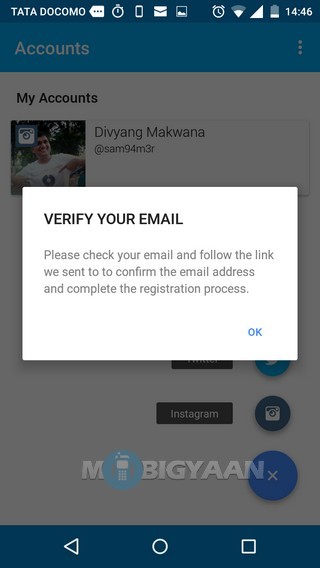
Instagram does not provide a native feature to notify users when someone unfollows them—this is where various third-party apps come into play. These apps can help track and analyze changes in your follower count, offering insights into who has chosen to depart from your follower list.
One popular choice among those curious about their follower dynamics is the Reports: Unfollow Tracker app. This tool allows users to monitor their Instagram relationships more effectively.
Using Third-Party Apps
While tracking unfollowers, it’s essential to choose a reliable app. Here are a few features you should consider:
- User-Friendly Interface: The app should be easy to navigate, allowing you to access information quickly.
- Real-Time Notifications: A good app will provide instant updates whenever someone unfollows you, keeping you informed.
- Detailed Analytics: Look for apps that offer insights, such as follower growth trends and engagement metrics.
- Privacy Compliance: Ensure that the app respects user privacy and operates within Instagram’s guidelines.
Interpreting the Data
Once you identify who unfollowed you, it’s important to interpret this data constructively. Here are a few steps to consider:
- Reflect on Your Content: Consider whether your recent posts still align with the interests of your followers. Do you regularly engage with their content? A lack of interaction may contribute to unfollowing.
- Avoid Taking It Personally: Remember that unfollowing is often not a reflection of your worth; it can be a sign of shifting trends or personal circumstances.
- Adjust Your Strategy: If you notice a significant number of unfollows, it might be time to reassess your content strategy. Engage more with your audience to foster meaningful connections.
Emotional Impacts of Losing Followers
Unfollowing can evoke various emotional responses, from indifference to deeper feelings of rejection. Many users find that their mental well-being is closely tied to social media metrics.
It’s important to establish a healthy relationship with social media:
- Self-Awareness: Regularly assess how social media affects your mood. If you find yourself overly fixated on follower counts, it may help to take a step back.
- Limit Comparisons: Avoid comparing your profile to others, which can lead to feelings of inadequacy. Remember that each account has its own journey.
- Engage Authentically: Focus on building genuine connections rather than accumulating followers. Authenticity often resonates more than mere numbers.
Building a Supportive Community
Ultimately, the goal of any social media platform should be to foster connections and build a supportive community. Here are a few tips to enhance your Instagram experience:
- Engage with Followers: Respond to comments, ask questions in your posts, and actively participate in discussions.
- Follow Back: If you value the relationship, consider following back, which can strengthen connections.
- Create Quality Content: Focus on producing high-quality posts that reflect your true passions and interests, fostering authentic engagement.
Conclusion
Understanding who unfollowed you on Instagram can offer valuable insights into your social media dynamics and the interests of your audience. While it’s natural to feel a sense of loss when someone unfollows, remember that social media is just a tool for connection, not a measure of your worth. Use the information available to you constructively, and focus on building authentic relationships with your followers. In the end, the depth of connections often matters more than the numbers!